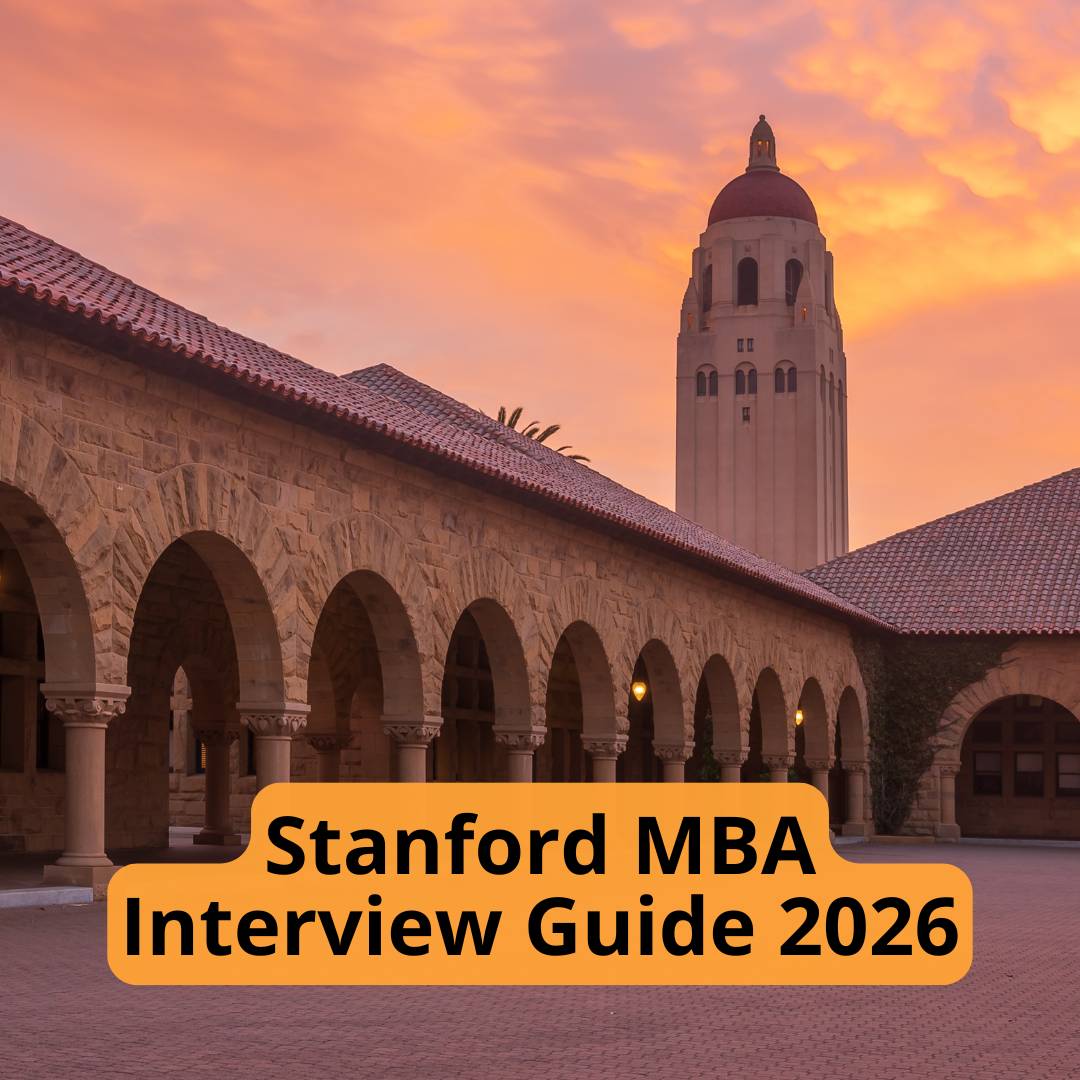
Receiving an interview invitation from Stanford GSB is a major accomplishment. With one of the lowest acceptance rates among top MBA programs, an invite signals that your written application already demonstrated exceptional potential. Now the focus shifts to something deeper: who you are, what drives you, and the impact you aspire to create.
In this guide, we’ll break down what makes the Stanford interview unique, what interviewers evaluate, common questions, and practical coaching strategies to help you prepare with clarity and authenticity.
What Makes the Stanford GSB Interview Unique?
Stanford’s interview is known for being:
- Behavioral and reflective
- Highly personalized
- Conducted by alumni interviewers
- Conversational but probing
Unlike some schools with structured or team-based formats, Stanford’s interview is typically a one-on-one conversation focused on past behavior as the best predictor of future leadership.
Interviewers are trained to assess specific leadership dimensions, and they often ask for detailed examples with follow-up questions.
How the Interview Works
Who Interviews You?
Most candidates are interviewed by a Stanford GSB alumnus/a in their region. Interviewers submit written evaluations to the admissions committee.
Format
- Duration: Approximately 45–60 minutes
- Style: Behavioral, discussion-based
- Focus: Past actions, motivations, leadership, values
Interviews may be conducted:
- In person
- Via video conference
There is no post-interview written reflection.
What Stanford Interviewers Are Really Evaluating
Stanford is deeply focused on leadership and personal values. Interviewers assess:
- Authenticity
- Self-awareness
- Depth of reflection
- Leadership impact
- Interpersonal skills
- Alignment with Stanford’s mission
Because Stanford’s application already includes the famous “What matters most to you, and why?” essay, interviews often probe themes connected to your personal values and motivations.
The school is looking for people who will “change lives, change organizations, and change the world.”
Common Stanford MBA Interview Questions
Questions vary widely by candidate, but most follow a behavioral format:
Leadership & Impact
- Tell me about a time you led a team.
- Describe a situation where you influenced others without authority.
- Share an example of overcoming a significant challenge.
Self-Reflection
- What feedback have you received recently?
- Tell me about a failure.
- What would your colleagues say is your biggest strength? Weakness?
Values & Motivation
- Why do you want an MBA?
- Why Stanford?
- What impact do you hope to make long term?
Expect follow-up questions like:
- “What were you thinking in that moment?”
- “What would you do differently?”
- “How did that change you?”
Depth matters more than breadth.
Structuring Strong Answers
The STAR method remains effective:
- Situation — Brief context
- Task — Your responsibility
- Action — What you specifically did
- Result — Outcomes and lessons
But at Stanford, add one more layer:
Reflection — What did this experience teach you about yourself?
Interviewers want to understand how experiences shaped your leadership philosophy.
Coaching Tips for Preparation
Focus on Depth, Not Quantity
Prepare 6–8 meaningful stories you can adapt across themes.
Revisit Your “What Matters Most” Essay
Your interview should feel aligned with your written narrative.
Practice Reflection
Go beyond describing events. Articulate motivations, emotions, and lessons learned.
Be Authentic
Stanford values sincerity over polish. Over-rehearsed answers can feel inauthentic.
Common Mistakes to Avoid
- Giving surface-level answers without reflection
- Overemphasizing achievements without discussing growth
- Providing generic “Why Stanford” responses
- Avoiding vulnerability when discussing setbacks
Stanford interviewers appreciate thoughtful honesty.
Final Thoughts
The Stanford GSB interview is less about testing business knowledge and more about understanding your character, values, and leadership potential. Strong candidates demonstrate clarity of purpose, emotional intelligence, and a genuine desire to create meaningful impact.
Prepare not to impress, but to connect.
How Brujo Method Helps
Preparing for MBA interviews?
Strong test scores will get you an interview. Your answers are what convert it into an offer.
Official Sources & Further Reading


Ready to kickstart your exam preparation?
El Brujo Method has a proven track record helping students get accepted to leading universities, business schools and specialized programs.
 Made with Scene.io